
The tariff picture appears to change from day to day, sometimes even hour by hour, but until there is certainty in trade policy, businesses must assume that the announced tariffs will be implemented. What does the picture look like for sales going forward?
Even in a year defined by supply shocks and policy turmoil, coffee continues to outperform most beverage categories. Global coffee revenues are forecast to total $473 billion in 2025, with $376 billion coming from restaurants, cafés and other out‑of‑home venues—an unmistakable vote of confidence in on‑premise coffee culture. GourmetPro
1. On‑Premise Momentum Is Back
- 36% of U.S. past‑day coffee drinkers enjoyed at least one cup away from home in autumn 2024, matching pre‑pandemic highs according to the National Coffee Association
- Broader beverage tracking shows that 75% of American adults plan to dine out this month and fully half intend to visit bars or cafés for drinks; 18% already go out three to five times a week. CGA
Operators should note two accompanying “premium signals” from the same datasets:
- ‑ One in five guests plans to trade up to higher‑quality drinks.
- ‑ Health‑conscious choices are accelerating, with cold‑brew and plant‑based options leading orders.
These findings complement National Coffee Association (NCA) data showing specialty coffee at a 13‑year high (45 % past‑day incidence) and cold‑brew up 30% year‑over‑year, now chosen by 21% of adults each week.
2. Tariff Turbulence Clouds Price Outlook
April ushered in the first broad U.S. tariffs on coffee in modern memory:
| Region affected | New duty rate | Channel exposure |
| Major producers incl. Vietnam & Indonesia | 10 – 46 % | Green beans & finished coffee |
| Canada (roasted/RTD) | 25% | ~25 % of roasted imports |
| Mexico (instant & RTD) | 25% | Key processor to U.S. brands |
Industry analysts warn the duties could add $1.50–$2.00 to a typical café beverage by year‑end, with smaller roasters least able to absorb the shock according to AxiosCoffee Digest
The National Coffee Association has already petitioned for exemptions, but until clarity emerges, importers are repricing contracts weekly—a scenario that favors operators with hedging programs or diversified origin portfolios.
3. Climate: The Other Cost Driver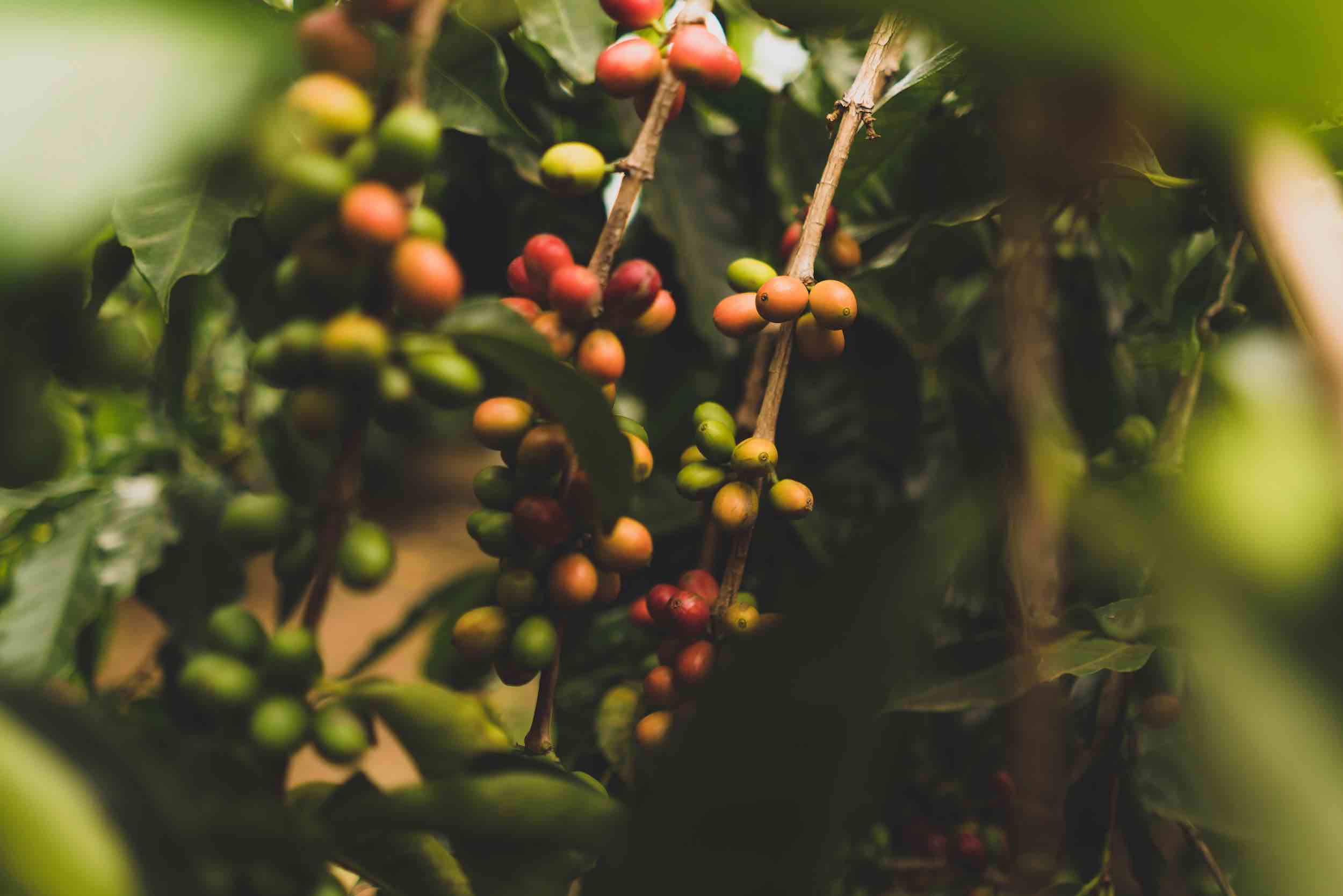
As we have mentioned in other articles, coffee has been impacted by climate change. Weather volatility is again shrinking the supply cushion:
- 2025 is projected to be the fourth time in six years that global coffee consumption outstrips production, drawing down a cumulative 12.5 million bags. Reuters
- Brazil’s worst drought in decades and erratic Vietnamese rains pushed futures to $4.40 /lb in February, a 25 % jump on top of 2024’s 70 % rally. Reuters
- Benchmark arabica prices remain near 50‑year highs after peaking at $3.36 /lb in late 2024. Reuters
Brazilian growers are racing to install pivot irrigation—up 14 % since 2022—but the capital cost underlines why origin inflation will not abate quickly.
4. Strategic Implications for Operators & Suppliers
- Menu Engineering: Use tiered pricing—core blends for value‑seekers, micro‑lot or single‑origin upsells for premium guests. The 45% specialty‑coffee cohort is primed to pay more if quality is explicit.
- Supplier Diversification: Hedge tariff risk by blending tariff‑exempt green coffee (e.g., Colombia, Ethiopia) with higher‑duty origins; renegotiate roasted/RTD supply through U.S. co‑packers where feasible.
- Transparency Sells: Climate‑resilient sourcing stories (irrigation investments, regenerative farming) resonate with Gen Z and justify price lifts.
- Cold Is Hot: Allocate bar space to draft cold‑brew and nitro. NCA data confirm cold‑brew’s double‑digit growth and its synergy with plant‑based milks and functional add‑ins.
- Weekday Activations: CGA traffic data identify Wednesdays and Thursdays as “shoulder days.” Promote limited‑time drinks or pastry pairings to smooth demand curves.
5. What to Watch
- Trade negotiations: Exemption talks or retaliatory tariffs could swing COGS within weeks.
- La Niña forecasts: A return of drier conditions in Brazil mid‑year would compound price pressures.
- Consumer elasticity: Historically, coffee shows inelastic demand, but sustained $2+ increases per cup could accelerate RTD and at‑home migration—especially if broader economic sentiment softens.
Bottom line: On‑premise coffee demand is resilient and increasingly premium‑driven, but operators must navigate a perfect storm of tariff‑driven cost spikes and climate‑induced supply tightness. Those who leverage data‑driven pricing, diversified sourcing, and experiential retail will be best positioned to pour profits, whatever the policy weather.