
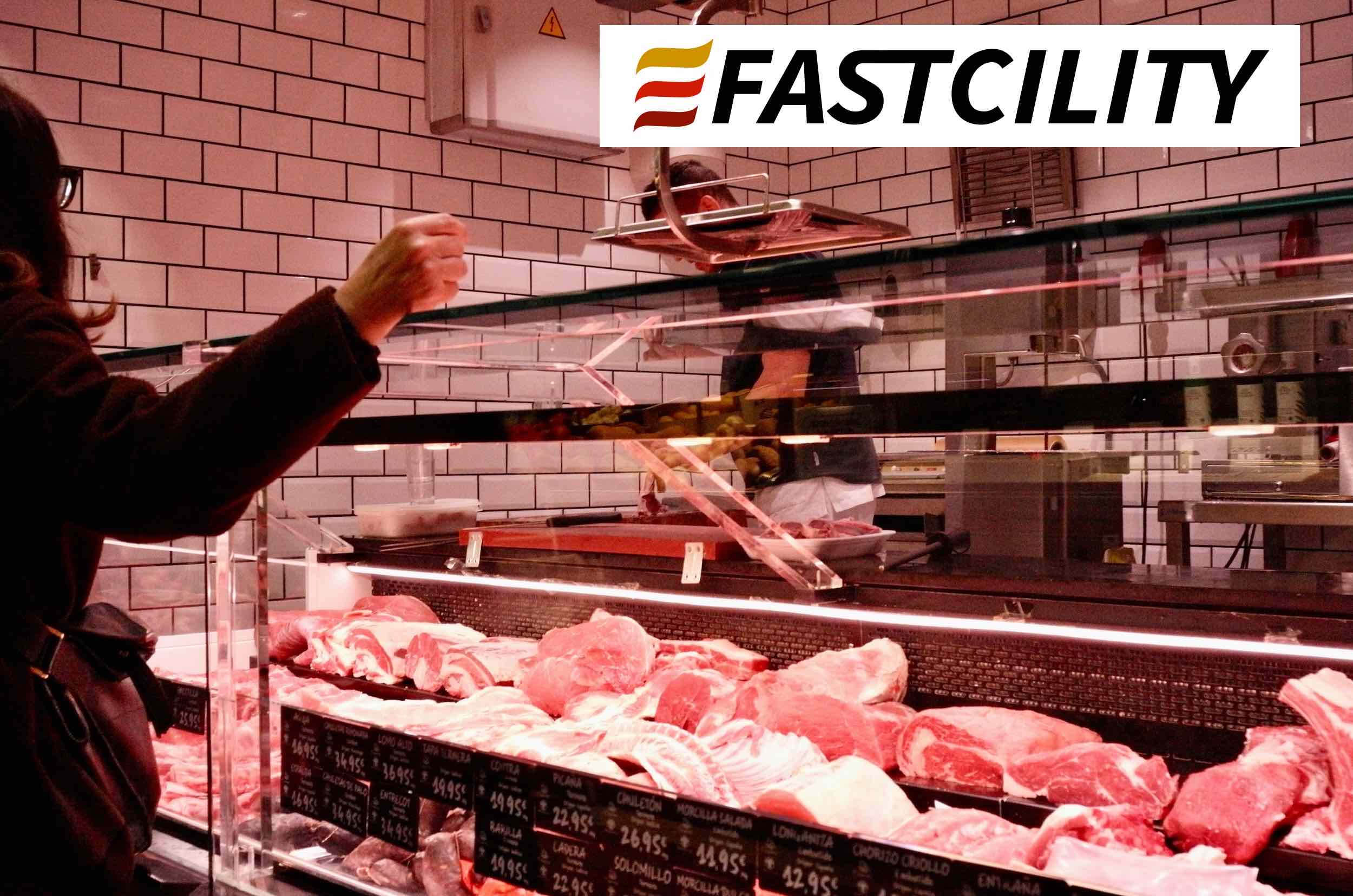
- The beef index fell 1.0% in September, extending a three-month decline. Operators have a near-term buying opportunity, while broader beef cost pressure remains firmly in place.
- USDA’s October outlook puts U.S. beef production at 24.8 billion pounds in 2026 and 24.7 billion pounds in 2027, confirming a constrained supply outlook.
- Early herd-rebuilding will likely tighten near-term supply as producers retain more replacement heifers for breeding.
- Operators should manage beef costs with targeted purchasing and menu decisions by cut, specification, and item profitability.
A short-term price break leaves the supply outlook tight
September offered a modest break in consumer beef prices: the beef index fell 1.0% from August, its third straight monthly decline. Operators should treat that movement as a tactical buying signal. The broader trend remains firm, and the Consumer Price Index measures retail prices rather than contracted or delivered foodservice costs.¹
USDA’s October forecast, cited by Drovers, cut projected 2026 beef production by 75 million pounds to 24.8 billion pounds, about 4.6% below 2025 and the lowest annual total since 2015. The agency also reduced its 2027 forecast by 160 million pounds to 24.7 billion pounds. These figures point to a smaller beef supply even as monthly prices fluctuate.²
Herd rebuilding will constrain near-term availability
USDA counted 94.2 million cattle and calves on July 1, 2026, slightly above the year-earlier level, while beef replacement heifers increased 3%. The increase suggests early herd stabilization, with a long recovery still ahead. USDA projected the 2026 calf crop at 32.5 million head, down 2% from 2025.³
The timing is relevant for foodservice strategy. Producers are retaining more heifers for breeding, which removes those animals from near-term beef production, and their calves require time to reach market. Through August, federally inspected heifer slaughter was down 11% from a year earlier. Herd rebuilding supports future supply by tightening availability today.²
Operators are carrying a widening cost gap
Datassential’s Burger Price Index shows burger menu prices up about 14% since January 2023, while underlying beef production costs rose roughly 32%. The exact gap varies by concept, market, and purchasing agreement, but the pressure is significant. Burgers prices anchor value perception for consumers, so aggressive price increases can weaken traffic and guest trust. Operators can protect margin through disciplined portions, tighter specifications, stronger purchasing terms, profitable add-ons, and deliberate menu engineering.⁴
Manage beef by cut, contract, and menu role
Beef costs move differently by cut. In early October, Drovers reported that the rib prime cut had reached a new high for the year while flank was 27% below its year-earlier level; the Choice wholesale beef price also remained below its 2025 post-Labor Day peak. Seasonal comparisons have limits, but the spread gives operators a clear opening. Concepts built around premium middle meats face a much tougher cost position than menus that can use flank, chuck, or ground beef effectively.²
Recent CPI declines could create selective buying opportunities for 2027. Start by tracking the cuts and specifications that drive each item’s plate cost. Look for substitutions that fit the brand. Limited-time offers, menu placement, and server guidance can also steer guests toward stronger-margin choices. The best approach is disciplined flexibility: buy selectively, protect profitable items, and keep controls tight while supply remains constrained.
Sources
- U.S. Bureau of Labor Statistics, “Consumer Price Index: September 2026,” Oct. 14, 2026. https://www.bls.gov/news.release/archives/cpi_10142026.htm
- Drovers, “Cattle Market Standoff: Shrinking Supply Meets Stalled Wholesale Beef Prices,” Oct. 13, 2026. https://www.drovers.com/news/cattle-market-standoff-shrinking-supply-meets-stalled-wholesale-beef-prices
- USDA National Agricultural Statistics Service, “Cattle,” July 24, 2026. https://esmis.nal.usda.gov/sites/default/release-files/795988/catl0726.pdf
- Datassential, “Burger Prices Up 14% Since 2023 While Beef Costs Surge 32%,” Mar. 11, 2026. Datassential resource